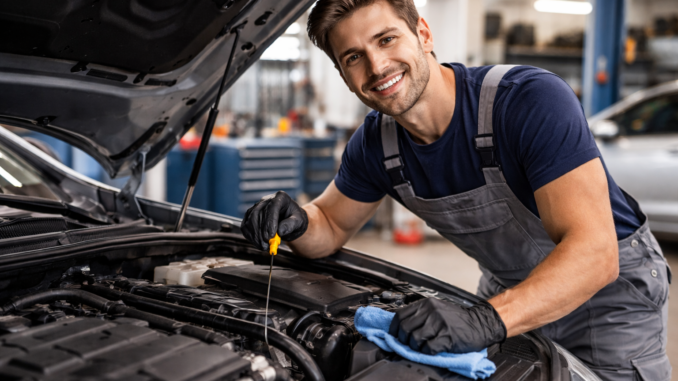
Essential Automotive Maintenance Tips to Improve Vehicle Performance and Longevity
Owning a vehicle is a major investment, and proper maintenance is the key to protecting that investment for years to come. Many drivers focus only on fueling and driving their cars, but regular automotive maintenance plays a critical role in improving vehicle performance, ensuring safety, and extending overall longevity.
In today’s fast-paced world, vehicles are more advanced than ever, combining mechanical systems with electronics and software. Neglecting routine care can lead to reduced efficiency, higher repair costs, and unexpected breakdowns. This article covers essential automotive maintenance tips that help keep your car running smoothly, efficiently, and reliably for the long term.
1. Follow a Consistent Maintenance Schedule
One of the most important automotive maintenance tips is following the manufacturer’s recommended service schedule. Every vehicle comes with a maintenance guide that outlines when specific services should be performed.
Routine inspections and services include oil changes, brake checks, fluid replacements, and filter changes. Sticking to a consistent schedule helps identify small issues before they turn into major and expensive repairs.
Regular maintenance also ensures your vehicle operates at peak performance and maintains its resale value.
2. Change Engine Oil and Oil Filter Regularly
Engine oil is the lifeblood of your vehicle. It lubricates moving parts, reduces friction, and helps regulate engine temperature. Over time, oil breaks down and becomes contaminated with dirt and debris.
Failing to change engine oil regularly can cause increased wear, reduced fuel efficiency, and even engine failure. Most modern vehicles require oil changes every 5,000 to 10,000 kilometers, depending on oil type and driving conditions.
Replacing the oil filter during each oil change ensures clean oil circulates throughout the engine, improving performance and engine life.
3. Maintain Proper Tire Care
Tires play a vital role in safety, fuel efficiency, and driving comfort. Poor tire maintenance can negatively impact handling, braking, and overall performance.
Check tire pressure at least once a month and keep it within the recommended range. Underinflated tires reduce fuel efficiency and wear unevenly, while overinflated tires affect traction.
Regular tire rotation, wheel alignment, and balancing help ensure even tread wear and extend tire lifespan. Proper tire care also improves vehicle stability and road safety.
4. Inspect and Replace Air Filters
Air filters prevent dust, debris, and contaminants from entering the engine. A clean air filter allows the engine to breathe properly, improving combustion and fuel efficiency.
A clogged air filter restricts airflow, leading to reduced power and higher fuel consumption. Replacing the engine air filter every 15,000 to 30,000 kilometers helps maintain optimal performance.
Cabin air filters should also be replaced regularly to ensure clean air inside the vehicle, improving comfort and protecting the HVAC system.
5. Monitor and Top Up Essential Fluids
Modern vehicles rely on multiple fluids to operate efficiently. These include coolant, brake fluid, transmission fluid, power steering fluid, and windshield washer fluid.
Low or contaminated fluids can cause overheating, poor braking performance, or transmission issues. Regularly checking fluid levels and replacing them according to the service schedule ensures smooth operation.
Coolant maintenance is especially important, as it prevents engine overheating and corrosion in the cooling system.
6. Keep the Brake System in Good Condition
The braking system is one of the most critical safety components of any vehicle. Worn brake pads, damaged rotors, or low brake fluid can compromise stopping power.
Listen for warning signs such as squealing noises, vibrations, or reduced braking response. Brake inspections should be performed regularly, and brake pads should be replaced before they wear down completely.
Proper brake maintenance not only improves safety but also prevents costly repairs to other brake components.
7. Pay Attention to the Battery and Electrical System
Vehicle batteries typically last between three to five years. A weak or failing battery can cause starting problems and affect electronic systems.
Check battery terminals for corrosion and ensure connections are secure. Testing the battery during routine maintenance helps prevent unexpected failures.
With modern vehicles relying heavily on electronics, maintaining the electrical system ensures features such as infotainment, navigation, and driver assistance systems function correctly.
8. Inspect Belts and Hoses Regularly
Belts and hoses are essential for engine operation, powering systems such as the alternator, air conditioning, and cooling system. Over time, they can crack, loosen, or wear out.
A damaged belt or hose can lead to engine overheating or sudden breakdowns. Visual inspections during routine servicing help identify early signs of wear.
Replacing worn belts and hoses on time prevents roadside emergencies and expensive engine damage.
9. Maintain the Cooling System
The cooling system regulates engine temperature and prevents overheating. Components include the radiator, coolant, thermostat, and water pump.
Overheating can cause severe engine damage and reduce vehicle lifespan. Regularly checking coolant levels and ensuring there are no leaks is essential.
Flushing the cooling system periodically removes rust and deposits, improving efficiency and long-term reliability.
10. Drive Smoothly and Avoid Aggressive Habits
Driving behavior has a direct impact on vehicle performance and longevity. Aggressive driving, such as rapid acceleration, hard braking, and high-speed driving, puts unnecessary stress on the engine, transmission, brakes, and suspension.
Smooth acceleration, steady speeds, and gentle braking reduce wear on mechanical components. Fuel efficiency improves, and maintenance costs decrease over time.
Adopting calm driving habits is one of the easiest ways to extend vehicle life.
11. Keep the Vehicle Clean Inside and Out
Regular cleaning is not just about appearance—it also protects your vehicle from long-term damage. Washing the exterior removes dirt, salt, and pollutants that can cause rust and corrosion.
Waxing adds an extra protective layer to the paint, preserving its finish. Cleaning the interior prevents wear on seats, dashboards, and controls.
A clean vehicle maintains its value and provides a more comfortable driving experience.
12. Use Quality Parts and Professional Service
When replacing parts or performing maintenance, always choose quality components that meet manufacturer standards. Cheap or counterfeit parts may save money initially but can cause long-term problems.
Professional service technicians have the tools and expertise to diagnose issues accurately. Regular inspections by trained professionals ensure your vehicle receives proper care.
Investing in quality maintenance reduces unexpected breakdowns and improves overall reliability.
13. Pay Attention to Warning Lights and Sounds
Modern vehicles are equipped with sensors and warning systems that alert drivers to potential issues. Ignoring warning lights on the dashboard can lead to serious damage.
Unusual sounds, vibrations, or changes in performance should never be ignored. Early diagnosis often results in simpler and less expensive repairs.
Responding promptly to warning signs helps maintain performance and prevent major failures.
Conclusion: Smart Maintenance Leads to Long-Lasting Performance
Proper automotive maintenance is not optional—it is essential for improving vehicle performance and extending longevity. By following a consistent maintenance schedule, caring for critical components, and adopting good driving habits, vehicle owners can enjoy reliable performance for many years.
Preventive maintenance saves money, enhances safety, and ensures your vehicle operates efficiently in all conditions. Whether you drive a compact car, SUV, or electric vehicle, these essential automotive maintenance tips apply universally.
A well-maintained vehicle is not only a pleasure to drive but also a smart investment in long-term mobility and peace of mind.