Top Automotive Trends Shaping the Future of Cars in 2026
The automotive industry is undergoing one of the most dramatic transformations in its history. As we move into 2026, rapid advances in technology, sustainability, and consumer expectations are redefining what cars are and how we use them. Vehicles are no longer just machines for transportation—they are becoming smarter, cleaner, safer, and more connected than ever before.
From electric powertrains to artificial intelligence-driven systems, the future of cars is being shaped by innovation on every level. In this article, we explore the top automotive trends shaping the future of cars in 2026, offering insights into what drivers, manufacturers, and the global market can expect in the near future.
1. Electric Vehicles Becoming the New Standard
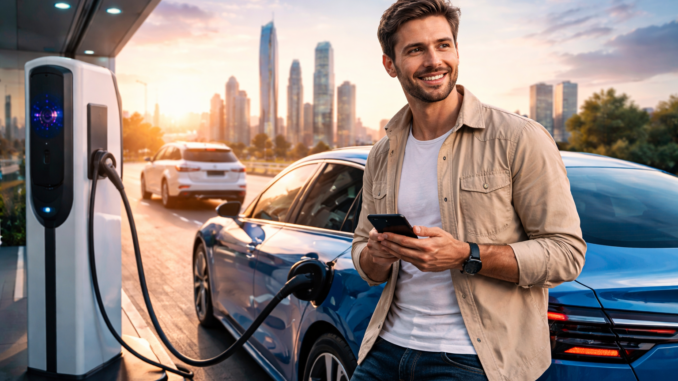
Electric vehicles (EVs) are no longer a niche market. By 2026, they are expected to become a mainstream choice for consumers worldwide. Governments continue to introduce stricter emissions regulations, while automakers invest billions into electric vehicle development.
Battery technology is improving rapidly, with longer driving ranges, faster charging times, and lower production costs. Solid-state batteries, in particular, are gaining attention for their potential to deliver higher energy density and enhanced safety compared to traditional lithium-ion batteries.
As charging infrastructure expands and EV prices become more competitive, electric cars are set to dominate the future automotive landscape.
2. Advanced Driver Assistance Systems (ADAS) Evolving Rapidly
Safety remains a top priority in automotive innovation. In 2026, Advanced Driver Assistance Systems (ADAS) are becoming more sophisticated and widely available, even in mid-range vehicles.
Features such as adaptive cruise control, lane-keeping assist, automatic emergency braking, blind-spot monitoring, and traffic jam assist are becoming standard rather than optional. These systems rely on a combination of sensors, cameras, radar, and artificial intelligence to reduce accidents and improve driver confidence.
The continued evolution of ADAS is paving the way for higher levels of vehicle automation while significantly enhancing road safety.
3. Progress Toward Autonomous Driving
Fully autonomous vehicles may not yet be common on public roads, but 2026 marks a critical step forward. Automakers and tech companies are focusing on Level 3 and Level 4 autonomy, where cars can handle most driving tasks under specific conditions.
Self-driving technology is being tested extensively in controlled environments, ride-hailing fleets, and logistics operations. Improved AI algorithms, real-time data processing, and high-definition mapping are accelerating development.
While human drivers will still play a role, autonomous driving features are becoming more reliable, reducing driver fatigue and transforming long-distance travel.
4. Connected Cars and Smart Vehicle Ecosystems
Connectivity is redefining the driving experience. Cars in 2026 are becoming part of a larger digital ecosystem, seamlessly integrating with smartphones, smart homes, and cloud-based services.
Connected vehicles can receive over-the-air (OTA) software updates, eliminating the need for frequent dealership visits. These updates improve performance, add new features, and enhance cybersecurity.
Real-time navigation, vehicle diagnostics, remote control via mobile apps, and vehicle-to-everything (V2X) communication are turning cars into intelligent, connected devices on wheels.
5. Sustainable and Eco-Friendly Automotive Manufacturing
Sustainability extends beyond electric powertrains. In 2026, automotive manufacturers are rethinking how vehicles are built from the ground up.
Recycled materials, bio-based plastics, sustainable fabrics, and low-carbon manufacturing processes are becoming more common. Automakers are also reducing water usage and carbon emissions in production facilities.
Consumers are increasingly valuing environmentally responsible brands, pushing manufacturers to adopt greener practices across the entire vehicle lifecycle.
6. Rise of Software-Defined Vehicles
One of the most important automotive trends shaping the future of cars is the shift toward software-defined vehicles. Instead of relying solely on hardware upgrades, modern vehicles use software to control performance, safety, entertainment, and efficiency.
Features can be unlocked or upgraded digitally, sometimes through subscription models. This approach allows manufacturers to continuously improve vehicles even after purchase.
Software-defined vehicles also enable better personalization, predictive maintenance, and seamless integration of new technologies over time.
7. Artificial Intelligence Transforming the Driving Experience
Artificial intelligence (AI) is becoming the brain behind modern cars. In 2026, AI is used extensively for driver monitoring, voice assistants, predictive maintenance, and intelligent navigation.
AI-powered voice systems understand natural language, making interactions safer and more intuitive. Driver monitoring systems use facial recognition and eye-tracking to detect fatigue or distraction, improving road safety.
As AI continues to evolve, vehicles become more responsive, adaptive, and personalized to individual driving habits.
8. New Mobility Models and Car Ownership Trends
Traditional car ownership is changing. By 2026, mobility-as-a-service (MaaS) models such as car-sharing, subscription services, and ride-hailing are gaining popularity, especially in urban areas.
Many consumers prefer flexible access to vehicles without the long-term costs of ownership. Automakers are responding by offering subscription-based services that include insurance, maintenance, and roadside assistance.
These new mobility solutions are reshaping how people think about transportation and reducing congestion in crowded cities.
9. Enhanced Cybersecurity for Modern Vehicles
As cars become more connected, cybersecurity becomes a critical concern. In 2026, protecting vehicles from cyber threats is a top priority for manufacturers.
Advanced encryption, secure software architectures, and continuous monitoring systems are being implemented to safeguard vehicle data and prevent unauthorized access.
Regulatory bodies are also introducing stricter cybersecurity standards, ensuring that connected and autonomous vehicles remain safe from digital attacks.
10. Customization and Personalization Through Technology
Modern drivers expect their vehicles to reflect their personal preferences. In 2026, customization goes far beyond exterior colors and interior trims.
Digital dashboards, adjustable driving modes, personalized infotainment settings, and AI-driven recommendations allow drivers to tailor their experience. Profiles can automatically adjust seats, climate control, navigation preferences, and entertainment options.
This high level of personalization enhances comfort, convenience, and overall satisfaction.
11. Improved Charging and Fueling Infrastructure
Infrastructure development is a key factor shaping the future of cars. Governments and private companies are investing heavily in EV charging networks, including ultra-fast chargers and wireless charging technology.
Hydrogen fueling stations are also expanding in select regions, supporting fuel cell vehicles. Improved infrastructure reduces range anxiety and encourages the adoption of alternative fuel vehicles.
By 2026, refueling and recharging are faster, easier, and more accessible than ever before.
Conclusion: The Road Ahead for the Automotive Industry
The automotive industry in 2026 is defined by innovation, sustainability, and digital transformation. Electric vehicles, autonomous driving technologies, connected systems, and AI-driven features are no longer futuristic concepts—they are becoming everyday realities.
As consumer expectations evolve and environmental concerns grow, automakers must continue to adapt and innovate. The trends shaping the future of cars are not only changing how vehicles are built, but also how we interact with them and think about mobility.
For drivers, this means safer roads, cleaner transportation, smarter technology, and more personalized experiences. The future of the automotive world is fast approaching, and it promises to be more exciting than ever.