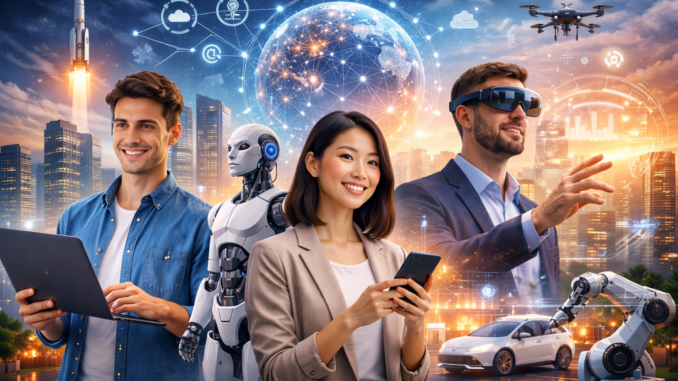
The Future of Technology: Key Innovations Shaping Digital Life and Business Growth
Technology is advancing at an unprecedented pace, reshaping how people live, communicate, and do business. As we move deeper into the digital era, innovations such as artificial intelligence, automation, cloud computing, and smart technologies are no longer optional—they are essential drivers of growth and competitiveness. The future of technology is not just about faster devices or smarter software; it is about creating connected, efficient, and intelligent systems that transform digital life and business operations.
This article explores the key technological innovations shaping the future and explains how they are influencing both everyday digital experiences and long-term business growth.
Artificial Intelligence Driving Smarter Decisions
Artificial intelligence (AI) stands at the center of future technological transformation. Businesses and individuals alike are increasingly relying on AI-powered systems to improve efficiency, accuracy, and personalization.
AI in Digital Life
AI enhances daily digital experiences through personalized recommendations, smart assistants, voice recognition, and predictive applications. Streaming platforms, e-commerce websites, and social media networks use AI to analyze user behavior and deliver content tailored to individual preferences. This creates more engaging and convenient digital interactions.
AI in Business Growth
For businesses, AI enables data-driven decision-making. Companies use machine learning algorithms to forecast demand, optimize pricing, detect fraud, and improve customer service through intelligent chatbots. AI reduces operational costs while increasing productivity, allowing organizations to scale faster and compete globally.
Automation and Robotics Transforming Industries
Automation and robotics are revolutionizing traditional business models and reshaping the workforce.
Industrial Automation
Manufacturing, logistics, and supply chain management benefit greatly from automation. Smart machines and robotic systems handle repetitive tasks with speed and precision, reducing errors and downtime. Automated warehouses and production lines allow businesses to meet growing demand while maintaining quality standards.
Human and Machine Collaboration
The future of work is not about replacing humans but enhancing their capabilities. Collaborative robots work alongside employees, improving safety and efficiency. As automation grows, new job roles emerge in robotics management, system maintenance, and digital operations, encouraging continuous skill development.
Cloud Computing Enabling Scalable Growth
Cloud computing has become the backbone of modern digital infrastructure, offering flexibility, scalability, and cost efficiency.
Digital Accessibility
Cloud-based platforms allow users to access data, applications, and services from anywhere with an internet connection. This supports remote work, global collaboration, and seamless digital experiences across devices.
Business Innovation
For businesses, cloud computing reduces the need for expensive hardware and on-site servers. Organizations can scale resources on demand, launch new products faster, and adapt quickly to market changes. Cloud technology also supports innovation by integrating with AI, big data, and cybersecurity solutions.
Big Data and Analytics Shaping Strategic Planning
Data is one of the most valuable assets in the digital economy. The future of technology relies heavily on the ability to collect, analyze, and interpret large volumes of data.
Data-Driven Insights
Big data analytics helps businesses understand customer behavior, market trends, and operational performance. By analyzing real-time data, companies can make informed decisions, improve marketing strategies, and enhance customer satisfaction.
Personalized Experiences
Data analytics enables hyper-personalization in digital services. From customized product recommendations to targeted advertising, businesses can deliver relevant experiences that increase engagement and loyalty.
The Internet of Things Creating a Connected World
The Internet of Things (IoT) connects physical devices to the digital world, creating intelligent and responsive environments.
Smart Homes and Digital Lifestyles
IoT devices such as smart thermostats, security systems, and wearable technology improve convenience, safety, and energy efficiency. These connected devices adapt to user habits, making daily life more comfortable and efficient.
IoT in Business Operations
Businesses use IoT sensors to monitor equipment, track inventory, and optimize supply chains. Real-time data from connected devices helps reduce maintenance costs, prevent disruptions, and improve overall operational efficiency.
Blockchain Technology Redefining Trust and Transparency
Blockchain is emerging as a powerful technology beyond cryptocurrency, offering secure and transparent digital solutions.
Secure Digital Transactions
Blockchain technology ensures data integrity and security through decentralized record-keeping. Financial institutions, e-commerce platforms, and supply chain networks use blockchain to reduce fraud and improve transaction efficiency.
Business Applications
Smart contracts automate agreements and payments without intermediaries, reducing costs and delays. Blockchain also supports digital identity management, enhancing trust in online interactions and business relationships.
Cybersecurity as a Foundation of Digital Growth
As digital systems become more interconnected, cybersecurity plays a critical role in protecting data and maintaining trust.
Advanced Threat Detection
The future of cybersecurity relies on AI-driven systems that detect and respond to threats in real time. These technologies help businesses prevent data breaches and protect sensitive information.
Building Consumer Trust
Strong cybersecurity measures increase customer confidence. Businesses that prioritize data protection and privacy gain a competitive advantage in an era where digital trust is essential for growth.
Remote Work and Digital Collaboration Tools
Technology continues to redefine how and where people work.
Digital Workspaces
Video conferencing, project management tools, and cloud-based collaboration platforms enable teams to work efficiently across locations. Virtual work environments increase flexibility while maintaining productivity.
Business Expansion
Remote work technologies allow businesses to access global talent and expand into new markets without physical offices. This reduces costs and supports sustainable growth in a digital-first economy.
Augmented Reality and Virtual Reality Transforming Experiences
Augmented reality (AR) and virtual reality (VR) are changing how people interact with digital content.
Enhanced Digital Engagement
AR and VR create immersive experiences in gaming, education, and entertainment. Users can explore virtual environments, learn new skills, and interact with digital objects in realistic ways.
Business Innovation
Businesses use AR and VR for product demonstrations, employee training, and virtual meetings. These technologies improve engagement, reduce training costs, and enhance customer experiences.
Sustainable Technology Supporting Long-Term Growth
The future of technology is increasingly focused on sustainability and environmental responsibility.
Green Digital Solutions
Energy-efficient data centers, smart grids, and AI-powered energy management systems reduce environmental impact. Businesses adopt sustainable technologies to meet regulatory requirements and consumer expectations.
Responsible Innovation
Technology companies prioritize ethical practices, including responsible AI development and eco-friendly manufacturing. Sustainable innovation supports long-term business growth while protecting the planet.
Challenges and Opportunities in the Future of Technology
While technological innovation brings immense benefits, it also presents challenges.
Skills and Digital Readiness
Rapid technological change requires continuous learning. Businesses and individuals must invest in digital skills to remain competitive in the future workforce.
Ethical and Regulatory Considerations
Issues such as data privacy, AI bias, and digital inequality require careful regulation. Governments and organizations must work together to ensure technology benefits society as a whole.
Conclusion
The future of technology is shaping a digital world that is smarter, more connected, and more efficient. Innovations such as artificial intelligence, automation, cloud computing, and blockchain are transforming digital life and driving business growth across industries. As technology continues to evolve, businesses that embrace innovation, prioritize cybersecurity, and invest in digital skills will thrive in the competitive global market.
By leveraging emerging technologies responsibly and strategically, organizations and individuals can unlock new opportunities, improve quality of life, and build a sustainable digital future.