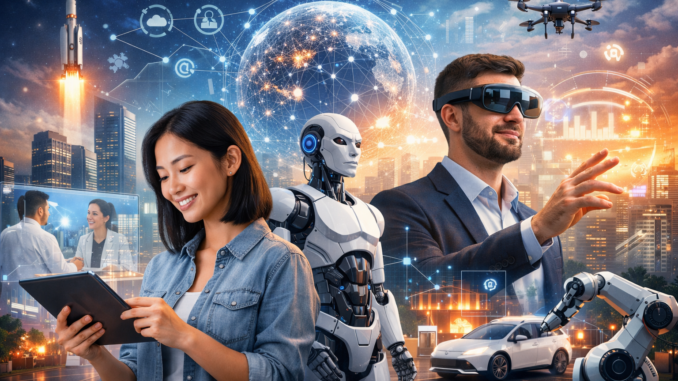
How Emerging Technologies Are Transforming the Way We Live and Work in 2026
Technology is evolving faster than ever, and by 2026, emerging technologies are deeply reshaping how people live, communicate, and work. From artificial intelligence and automation to smart homes and remote collaboration tools, technology is no longer just a convenience—it has become an essential part of daily life. Businesses, governments, and individuals are all adapting to a digital-first world where innovation drives efficiency, creativity, and growth.
This article explores the key emerging technologies transforming modern lifestyles and workplaces in 2026, highlighting their impact on productivity, well-being, and the global economy.
The Rise of Artificial Intelligence in Everyday Life
Artificial intelligence (AI) is one of the most powerful technologies shaping 2026. AI is no longer limited to large corporations or tech experts—it is now embedded in everyday tools and services.
AI in Personal Life
Smart assistants, recommendation systems, and predictive apps help people manage schedules, finances, health, and entertainment. AI-powered devices learn user behavior, offering personalized experiences such as customized fitness plans, smart shopping suggestions, and intelligent home automation.
AI in the Workplace
In professional environments, AI improves decision-making by analyzing large datasets quickly and accurately. Businesses use AI for customer support chatbots, fraud detection, data analysis, and content generation. Rather than replacing human workers, AI increasingly supports them by automating repetitive tasks and allowing employees to focus on creativity and strategy.
Automation and Robotics Changing Work Environments
Automation and robotics continue to transform industries such as manufacturing, logistics, healthcare, and retail.
Smarter Factories and Warehouses
Robots now handle assembly, packaging, and inventory management with high precision. Automated systems reduce errors, increase productivity, and lower operational costs. In 2026, collaborative robots—also known as cobots—work alongside humans, enhancing safety and efficiency.
Impact on Jobs
While automation replaces some manual tasks, it also creates new job opportunities in system management, robot maintenance, and software development. Workers are upskilling and reskilling to adapt to technology-driven roles, making lifelong learning more important than ever.
Remote and Hybrid Work Powered by Digital Tools
The way people work has changed permanently. By 2026, remote and hybrid work models are widely accepted and supported by advanced technologies.
Cloud Computing and Collaboration Platforms
Cloud-based tools allow employees to work from anywhere, access files securely, and collaborate in real time. Video conferencing, virtual whiteboards, and project management platforms improve teamwork across borders and time zones.
Virtual Offices and Metaverse Workspaces
Some companies are experimenting with virtual offices using augmented reality (AR) and virtual reality (VR). These immersive environments create interactive meeting spaces, virtual training sessions, and digital offices that feel more engaging than traditional video calls.
Smart Homes Enhancing Daily Living
Emerging technologies are also redefining how people live at home. Smart home systems are becoming more affordable, intelligent, and energy-efficient.
Home Automation
Smart lighting, climate control, and security systems adapt automatically to user preferences. Voice commands and mobile apps allow homeowners to control devices easily, improving comfort and convenience.
Energy Efficiency and Sustainability
Smart meters and AI-powered energy management systems help households reduce energy consumption. By optimizing electricity usage and integrating renewable energy sources, smart homes support environmentally friendly living.
Healthcare Innovation Through Technology
Healthcare has seen remarkable transformation thanks to emerging technologies.
Telemedicine and Digital Health
In 2026, telemedicine is a standard healthcare option. Patients consult doctors online, receive digital prescriptions, and monitor chronic conditions using wearable devices. This improves access to healthcare, especially in rural or underserved areas.
AI and Data-Driven Healthcare
AI assists doctors in diagnosing diseases, analyzing medical images, and predicting health risks. Wearable technology tracks vital signs in real time, enabling early detection of health issues and personalized treatment plans.
The Internet of Things Connecting the World
The Internet of Things (IoT) connects everyday objects to the internet, allowing them to collect and share data.
Smart Cities
Cities use IoT sensors to manage traffic, reduce pollution, and improve public services. Smart transportation systems optimize routes, while intelligent waste management reduces environmental impact.
Business Applications
Companies use IoT devices to track assets, monitor equipment health, and improve supply chain efficiency. Real-time data helps businesses make informed decisions and reduce downtime.
Blockchain Technology Beyond Cryptocurrency
Blockchain technology has expanded far beyond digital currencies.
Secure Transactions and Data Protection
Blockchain provides transparent and secure record-keeping, making it ideal for financial services, supply chain management, and digital identity verification.
Decentralized Work Models
Freelancers and remote workers benefit from blockchain-based contracts and payment systems that ensure fairness, transparency, and faster transactions without intermediaries.
Education Transformed by Digital Innovation
Learning in 2026 looks very different from traditional classrooms.
Online Learning and AI Tutors
E-learning platforms use AI to personalize lessons based on individual learning styles. Students receive instant feedback, adaptive quizzes, and customized study plans.
Virtual and Augmented Reality in Education
VR and AR bring immersive experiences to education, allowing students to explore virtual laboratories, historical sites, and realistic simulations that improve understanding and engagement.
Cybersecurity and Privacy in a Digital World
As technology advances, cybersecurity becomes increasingly important.
Advanced Security Solutions
AI-driven cybersecurity systems detect threats in real time, protecting sensitive data from cyberattacks. Businesses invest heavily in secure infrastructure to safeguard digital assets.
Digital Privacy Awareness
Individuals are more aware of data privacy issues. In 2026, users demand transparency and control over their personal information, leading to stronger regulations and better privacy-focused technologies.
The Role of Technology in Work-Life Balance
Emerging technologies also influence mental health and work-life balance.
Productivity Without Burnout
Automation and smart scheduling tools help reduce workload stress. Employees use digital wellness apps to track focus, manage time, and maintain healthy routines.
Flexible Lifestyles
Technology enables flexible working hours, remote travel lifestyles, and global collaboration. People can balance personal life and professional responsibilities more effectively than ever before.
Challenges and Ethical Considerations
Despite the benefits, emerging technologies bring challenges.
Digital Divide
Not everyone has equal access to technology. Bridging the digital gap remains a global priority to ensure inclusive growth.
Ethical Use of Technology
AI bias, data misuse, and job displacement raise ethical concerns. Governments and organizations must develop responsible policies to ensure technology benefits society as a whole.
Conclusion
By 2026, emerging technologies are transforming nearly every aspect of how we live and work. Artificial intelligence, automation, smart devices, and digital platforms are creating smarter homes, more flexible workplaces, and improved healthcare and education systems. While challenges remain, the potential for innovation, efficiency, and improved quality of life is immense.
As technology continues to evolve, individuals and businesses that embrace change, invest in digital skills, and prioritize ethical innovation will thrive in this rapidly transforming world. The future is not just digital—it is intelligent, connected, and full of opportunity.