Essential Automotive Maintenance Tips to Improve Vehicle Performance and Longevity
Owning a vehicle is a significant investment, and proper automotive maintenance is the key to protecting that investment. Regular maintenance not only ensures smoother driving and better performance but also extends the lifespan of your vehicle while reducing long-term repair costs. Many drivers overlook basic maintenance tasks, leading to reduced efficiency, safety risks, and expensive breakdowns.
In this comprehensive guide, we will explore essential automotive maintenance tips that help improve vehicle performance and longevity. Whether you drive a gasoline car, diesel vehicle, or hybrid, these proven practices will keep your vehicle running efficiently for years to come.
Why Automotive Maintenance Matters
Automotive maintenance is more than just routine servicing; it is a proactive approach to vehicle care. Well-maintained vehicles perform better, consume less fuel, and experience fewer mechanical issues. Neglecting maintenance can lead to engine damage, reduced resale value, and unexpected roadside failures.
Consistent maintenance helps detect minor problems early, preventing them from turning into costly repairs. It also improves safety by ensuring critical components such as brakes, tires, and steering systems function correctly.
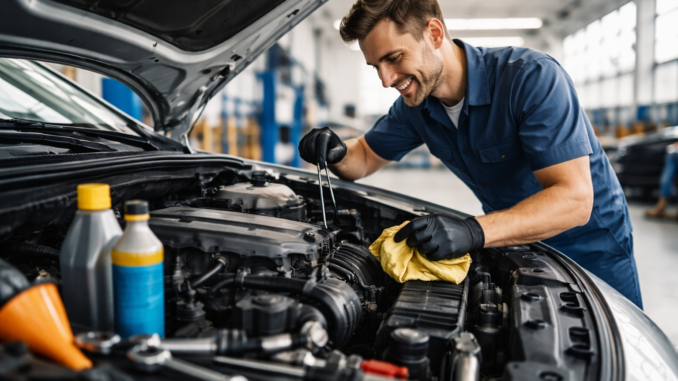
Regular Engine Oil Changes
Engine oil plays a crucial role in lubricating engine components, reducing friction, and preventing overheating. Over time, oil becomes contaminated with dirt and debris, reducing its effectiveness.
Changing engine oil at recommended intervals improves engine performance and protects internal parts from excessive wear. Fresh oil also enhances fuel efficiency and reduces emissions. Always use the correct oil grade specified by the manufacturer for optimal results.
Ignoring oil changes can lead to engine sludge buildup, reduced power, and even complete engine failure.
Maintain Proper Tire Care
Tires directly affect vehicle handling, fuel efficiency, and safety. Maintaining proper tire pressure ensures even tire wear and better road grip. Underinflated tires increase fuel consumption, while overinflated tires reduce traction.
Regularly rotating tires helps distribute wear evenly and extends tire life. Wheel alignment is equally important, as misaligned wheels can cause uneven wear and steering issues.
Inspect tires for cracks, bulges, and low tread depth to prevent blowouts and maintain optimal driving performance.
Keep the Cooling System in Good Condition
The cooling system regulates engine temperature and prevents overheating. Coolant circulates through the engine, absorbing heat and maintaining safe operating temperatures.
Check coolant levels regularly and replace coolant according to manufacturer guidelines. Inspect hoses and the radiator for leaks or cracks, as cooling system failures can cause severe engine damage.
A properly maintained cooling system ensures stable engine performance, especially during long drives and hot weather conditions.
Replace Air Filters Regularly
Air filters prevent dirt and debris from entering the engine, allowing clean air to mix with fuel for efficient combustion. A clogged air filter restricts airflow, reducing engine power and fuel efficiency.
Replacing air filters at recommended intervals improves acceleration, engine responsiveness, and overall performance. Clean air filters also protect internal engine components from contamination.
Cabin air filters should also be replaced regularly to maintain good air quality inside the vehicle.
Brake System Maintenance
The braking system is one of the most critical safety components of any vehicle. Worn brake pads, damaged rotors, or low brake fluid can significantly reduce stopping power.
Regular brake inspections help identify issues such as squeaking noises, vibrations, or longer stopping distances. Replacing brake pads before they wear down completely prevents damage to rotors and reduces repair costs.
Proper brake maintenance ensures safe driving and reliable vehicle performance in emergency situations.
Transmission Care and Fluid Checks
The transmission system transfers power from the engine to the wheels. Transmission fluid lubricates internal components and helps regulate temperature.
Low or dirty transmission fluid can cause rough shifting, slipping gears, and transmission failure. Regular fluid checks and timely replacements improve shifting performance and extend transmission lifespan.
Both manual and automatic transmissions require proper care to maintain smooth and efficient power delivery.
Battery Maintenance and Electrical System Care
The vehicle battery powers the electrical system and starts the engine. Over time, batteries lose their ability to hold a charge.
Check battery terminals for corrosion and ensure connections are tight. Regular testing helps identify weak batteries before they fail unexpectedly. Most automotive batteries last between three to five years.
Maintaining the electrical system ensures reliable starting, proper lighting, and consistent performance of onboard electronics.
Fuel System Maintenance
A clean fuel system improves engine efficiency and power output. Fuel injectors can become clogged with deposits over time, reducing fuel delivery accuracy.
Using high-quality fuel and periodic fuel system cleaning helps maintain optimal combustion. Replacing the fuel filter prevents contaminants from entering the engine and damaging injectors.
Efficient fuel system maintenance results in smoother acceleration, better fuel economy, and reduced emissions.
Suspension and Steering System Checks
The suspension and steering systems affect ride comfort, handling, and tire wear. Worn shocks, struts, or steering components can cause poor handling and uneven tire wear.
Regular inspections help detect leaks, loose parts, and worn bushings. Maintaining these systems improves stability, cornering ability, and overall driving comfort.
A well-maintained suspension system also reduces stress on other vehicle components.
Exhaust System Maintenance
The exhaust system reduces emissions and directs harmful gases away from the vehicle. Leaks or damaged components can increase noise, reduce fuel efficiency, and cause emission test failures.
Inspect the exhaust system for rust, holes, or loose connections. Addressing issues early prevents further damage and ensures compliance with environmental regulations.
A properly functioning exhaust system supports engine performance and fuel efficiency.
Follow Manufacturer Service Schedules
Vehicle manufacturers provide recommended maintenance schedules based on mileage and time intervals. Following these guidelines ensures all components receive timely care.
Scheduled maintenance includes inspections, fluid replacements, and part replacements designed to prevent premature wear. Skipping scheduled services may void warranties and reduce vehicle reliability.
Sticking to the service schedule is one of the simplest ways to maximize vehicle longevity.
Keep the Vehicle Clean Inside and Out
Regular cleaning protects both the exterior and interior of your vehicle. Washing removes dirt, salt, and debris that can cause paint damage and corrosion.
Waxing adds a protective layer that preserves paint quality and enhances appearance. Interior cleaning prevents wear on seats, dashboards, and carpets.
A clean vehicle not only looks better but also maintains higher resale value.
Drive Responsibly to Reduce Wear
Driving habits have a significant impact on vehicle lifespan. Aggressive driving, sudden acceleration, and hard braking increase stress on engine, brakes, and suspension components.
Smooth driving reduces mechanical strain and improves fuel efficiency. Avoid overloading the vehicle, as excessive weight puts additional pressure on the drivetrain and suspension.
Responsible driving complements regular maintenance and extends vehicle longevity.
The Long-Term Benefits of Preventive Maintenance
Preventive automotive maintenance saves money by reducing the risk of major repairs. Well-maintained vehicles offer better performance, improved safety, and higher reliability.
Regular maintenance also enhances resale value, making the vehicle more attractive to future buyers. A documented service history demonstrates responsible ownership and care.
Investing time and effort into maintenance delivers long-term rewards and peace of mind.
Conclusion
Essential automotive maintenance is the foundation of improved vehicle performance and longevity. From regular oil changes and tire care to brake inspections and fluid checks, each maintenance task plays a vital role in keeping your vehicle running smoothly.
By following manufacturer guidelines, adopting responsible driving habits, and addressing issues early, drivers can enjoy reliable performance, lower repair costs, and extended vehicle life. Automotive maintenance is not just about preventing problems—it is about ensuring a safe, efficient, and enjoyable driving experience for years to come.