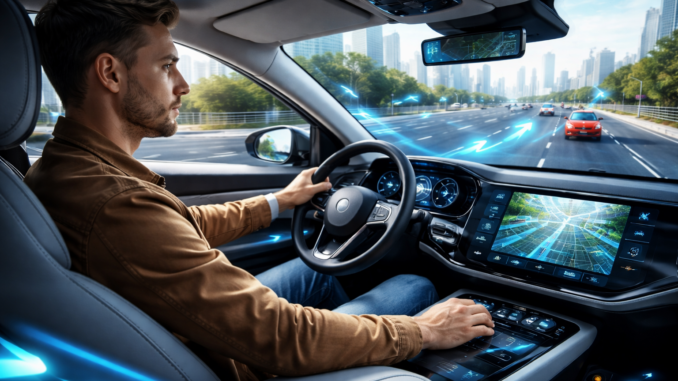
Top Automotive Technology Trends Transforming the Driving Experience in 2026
The automotive industry is moving faster than ever. In 2026, cars are no longer just machines that take us from one place to another—they are intelligent, connected, electrified, and increasingly autonomous systems designed to improve safety, comfort, efficiency, and sustainability. From AI-powered driver assistance to next-generation electric vehicle batteries, automotive technology trends are transforming the driving experience in remarkable ways.
In this article, we explore the top automotive technology trends in 2026 and how they are reshaping the future of mobility.
1. Advanced Driver Assistance Systems (ADAS) Becoming Smarter
Advanced Driver Assistance Systems (ADAS) are now standard in many vehicles, and in 2026 they are more sophisticated than ever. Features such as adaptive cruise control, lane-keeping assist, blind-spot monitoring, and automatic emergency braking have evolved with improved sensors and artificial intelligence.
Modern ADAS systems use a combination of radar, LiDAR, cameras, and machine learning algorithms to monitor the vehicle’s surroundings in real time. These systems not only detect obstacles but also predict potential hazards by analyzing driving patterns and environmental data.
As a result, drivers experience:
- Reduced accident risk
- Improved highway driving comfort
- Better support in heavy traffic
- Enhanced pedestrian and cyclist detection
While fully autonomous vehicles are still developing, semi-autonomous driving capabilities are significantly improving safety and convenience.
2. The Rise of AI-Powered In-Car Assistants
Artificial intelligence is revolutionizing the in-car experience. In 2026, AI-powered virtual assistants are far more advanced than traditional voice control systems. They can understand natural language, recognize individual driver preferences, and adapt over time.
These smart systems can:
- Adjust seat position and climate settings automatically
- Suggest optimal routes based on traffic and driver habits
- Schedule maintenance appointments
- Provide real-time vehicle diagnostics
- Control smart home devices remotely
AI integration makes driving more personalized and intuitive. Instead of manually adjusting multiple settings, drivers can simply speak or rely on the system’s predictive capabilities.
3. Next-Generation Electric Vehicles (EVs)
Electric vehicles continue to dominate automotive technology trends in 2026. Improvements in battery technology, charging infrastructure, and vehicle range are making EVs more practical and affordable.
Longer Range and Faster Charging
Solid-state batteries and enhanced lithium-ion designs now offer:
- Longer driving ranges exceeding 500 miles on a single charge
- Faster charging times, with 10–80% charge in under 20 minutes
- Improved battery lifespan and durability
Public charging networks have expanded significantly, and ultra-fast charging stations are more accessible in urban and highway locations.
Affordable EV Options
Manufacturers are introducing more affordable electric models, making EV ownership accessible to a broader market. With lower maintenance costs and fewer moving parts compared to traditional internal combustion engines, EVs provide long-term financial benefits.
4. Vehicle-to-Everything (V2X) Connectivity
Connectivity is transforming how vehicles interact with their environment. Vehicle-to-Everything (V2X) technology allows cars to communicate with:
- Other vehicles (V2V)
- Traffic infrastructure (V2I)
- Pedestrians (V2P)
- Cloud systems (V2C)
This connectivity improves traffic flow, enhances road safety, and reduces congestion. For example, vehicles can receive alerts about upcoming road hazards, construction zones, or sudden braking by other drivers ahead.
In smart cities, V2X systems synchronize with traffic lights to optimize driving speed and reduce fuel consumption. This level of integration is redefining urban mobility.
5. Over-the-Air (OTA) Software Updates
In 2026, cars function more like smartphones on wheels. Over-the-air software updates allow manufacturers to improve vehicle performance, add new features, and fix software bugs without requiring a dealership visit.
Benefits of OTA updates include:
- Enhanced cybersecurity protection
- Improved infotainment features
- Performance optimizations
- Battery efficiency improvements
This technology ensures vehicles remain up-to-date throughout their lifespan, increasing long-term value and convenience for owners.
6. Enhanced Automotive Cybersecurity
As vehicles become more connected, cybersecurity has become a critical priority. Modern vehicles rely heavily on software and data exchange, which makes them potential targets for cyber threats.
Automakers are investing in:
- Advanced encryption systems
- Multi-layered security architectures
- Real-time threat detection software
- Secure cloud communication
These measures protect driver data, prevent unauthorized vehicle access, and ensure safe operation of connected systems. Cybersecurity is now a key component of automotive design.
7. Augmented Reality (AR) Head-Up Displays
Augmented Reality Head-Up Displays (AR HUDs) are enhancing driver awareness and reducing distractions. Instead of looking down at a navigation screen, drivers can view critical information projected directly onto the windshield.
AR HUD systems display:
- Turn-by-turn navigation
- Speed and safety alerts
- Pedestrian warnings
- Lane guidance
By overlaying digital information onto the real-world view, drivers can keep their eyes on the road while accessing essential data.
8. Sustainable Materials and Eco-Friendly Manufacturing
Sustainability is a major focus in the automotive industry. In 2026, manufacturers are incorporating eco-friendly materials into vehicle interiors and production processes.
Common innovations include:
- Recycled plastics and metals
- Plant-based fabrics and vegan leather alternatives
- Carbon-neutral manufacturing facilities
- Lightweight materials to improve fuel efficiency
These changes reduce environmental impact while maintaining durability and style. Consumers are increasingly choosing vehicles that align with sustainable values.
9. Biometric Vehicle Access and Personalization
Traditional car keys are becoming obsolete. Biometric authentication systems such as fingerprint scanning, facial recognition, and even heartbeat sensors are gaining popularity.
These systems offer:
- Keyless entry with enhanced security
- Personalized driver profiles
- Automatic seat and mirror adjustments
- Custom infotainment settings
Biometric technology improves both convenience and vehicle security, ensuring that only authorized users can access and operate the car.
10. Autonomous Driving Progress
While fully self-driving cars are not yet universally adopted, 2026 marks significant progress toward higher levels of autonomy.
Level 3 and limited Level 4 autonomous systems are now available in select regions. These systems allow the vehicle to take control in specific conditions, such as highway cruising or traffic jams.
Drivers must still remain alert, but autonomous features reduce fatigue and stress during long trips. Continued advancements in sensors, AI, and mapping technology are steadily moving the industry closer to full autonomy.
11. Smart Energy Management Systems
Energy efficiency is becoming more intelligent. Smart energy management systems optimize battery usage, regenerative braking, and climate control to maximize driving range.
These systems analyze:
- Driving behavior
- Road conditions
- Weather patterns
- Traffic conditions
By adjusting energy distribution automatically, vehicles achieve greater efficiency without sacrificing performance.
12. Subscription-Based Features and Digital Services
Another emerging trend is subscription-based automotive services. Instead of purchasing certain features outright, drivers can subscribe to options such as:
- Advanced driver assistance packages
- Premium infotainment services
- Performance upgrades
- Remote vehicle monitoring
While this model remains debated, it allows drivers to customize their vehicle experience according to their needs.
The Future of Automotive Technology Beyond 2026
The automotive industry is on the brink of even greater transformation. Emerging developments such as hydrogen fuel cells, fully autonomous fleets, and AI-driven traffic ecosystems may redefine mobility in the coming decade.
Collaboration between automakers, technology companies, and governments is accelerating innovation. As infrastructure improves and consumer adoption grows, vehicles will continue to evolve into smarter, safer, and more sustainable machines.
Conclusion
The top automotive technology trends transforming the driving experience in 2026 highlight a shift toward intelligence, connectivity, sustainability, and automation. From advanced driver assistance systems and AI-powered assistants to electric vehicles and augmented reality displays, innovation is reshaping every aspect of mobility.
For drivers, this means safer roads, greater efficiency, enhanced comfort, and reduced environmental impact. For the automotive industry, it marks a new era of digital transformation and sustainable progress.
As technology continues to advance, the driving experience will become more personalized, intelligent, and connected than ever before. The road ahead is not just about transportation—it is about innovation redefining how we move through the world.